In Duluth, Availability Is a Geography Question

Duluth jobs fit best when employers and applicants account for port logistics, transit routes, training, and the places people reset after work.

Five practical guides to Duluth and Northeast Minnesota employment, healthcare, skilled trades, tourism and career planning.
Duluth jobs fit best when employers and applicants account for port logistics, transit routes, training, and the places people reset after work.
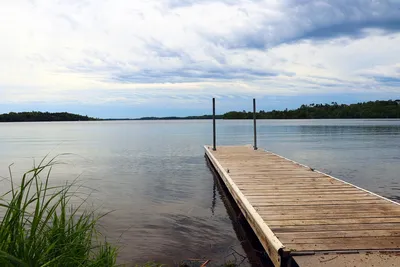
Transit, harbor jobs, continuing education, and trails give Duluth newcomers more than a place to work. They give them a way to build a week that actually holds together.

In Duluth, a workable move depends on more than rent: transit, training, and nearby places to reset after work.

A Twin Ports move is really an address decision: rent, transit, broadband, and training access all change the daily reality of work in Duluth, Superior, and nearby Carlton County.
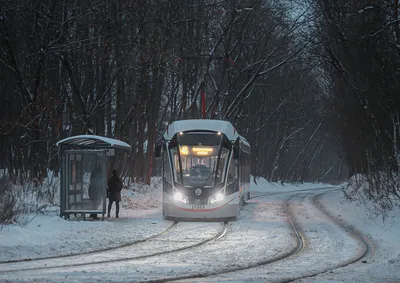
In Duluth and the Twin Ports, a job search works best when your home base fits transit, training, port access, and everyday reset time.

A Duluth move works best when you match shifts, transit, training, and reset time to the city’s real systems—from DTA routes to local learning and trails.
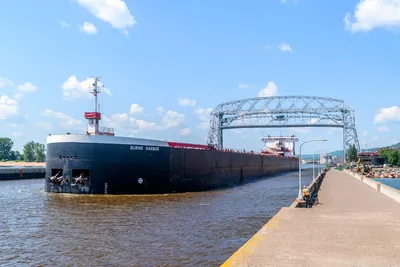
Duluth’s port network, transit, training, and trails can turn a first job into a sustainable career path.

Duluth, Superior, Proctor, Hermantown, and Rice Lake may sit close together, but housing, transit, and training can make daily life feel very different.

A Duluth job is easier to judge when you check the route home, room to learn, and the reset time after work.
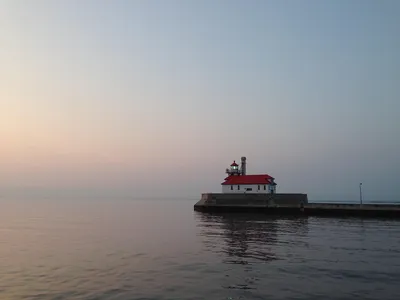
A Duluth move works best when one address can handle transit, jobsite rhythm, and life after work—without assuming every neighborhood or shift runs on the same clock.

Port operations, transit, training, and trails reveal whether a Duluth-area job can fit your commute, growth plans, and everyday life.
A Duluth move works best when housing, transit, and training fit the same daily loop. Here’s how the Twin Ports change the job decision.